
Understanding MIL-SPEC Oil Ratings
Jun 30th 2025
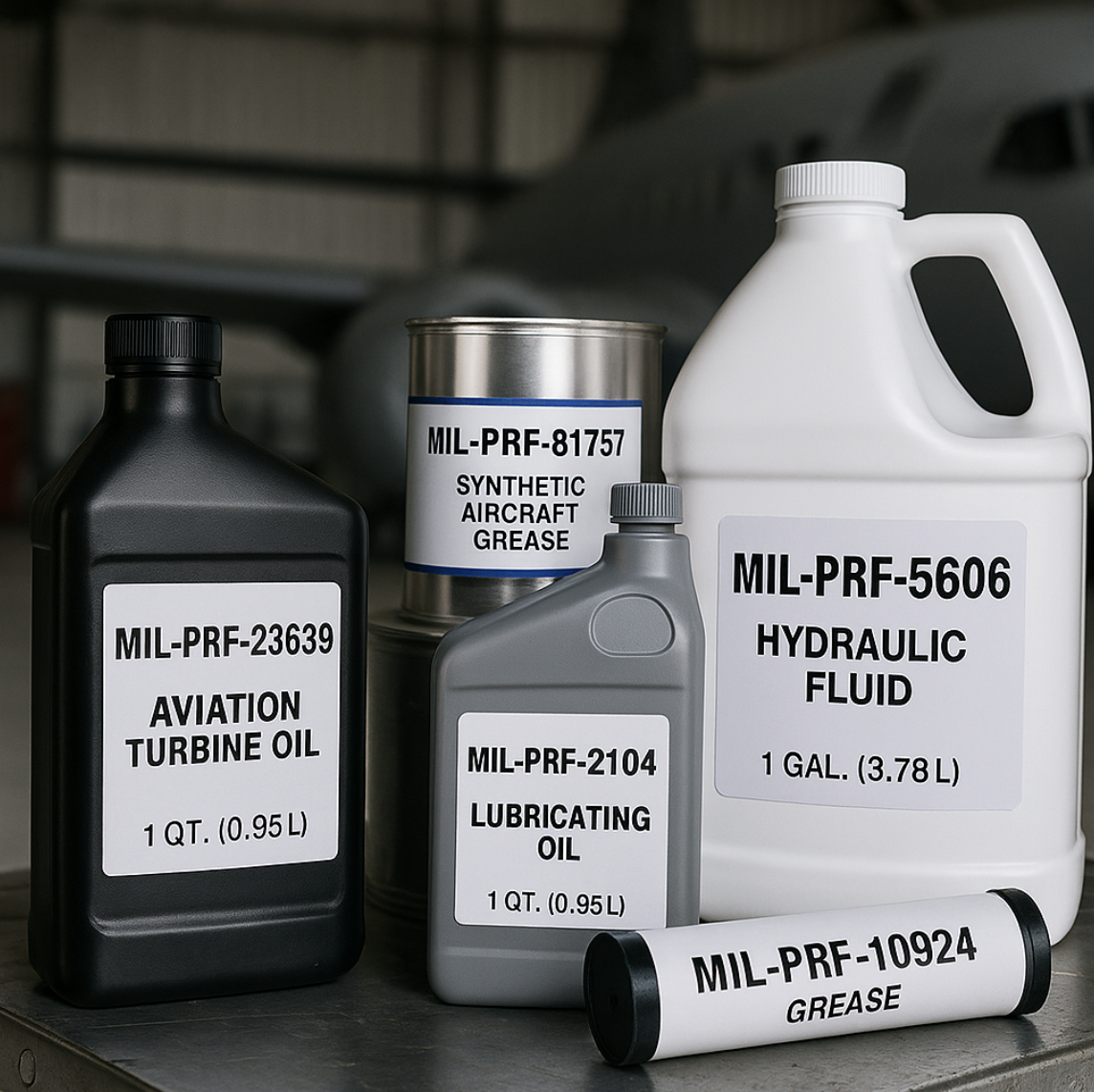
When it comes to maintaining the integrity and performance of military and aerospace equipment, one crucial factor is the use of MIL-SPEC-rated oils and lubricants. Developed by the U.S. Department of Defense, MIL-SPEC (short for military specification) oil ratings ensure standardization and reliability in extreme conditions. From aircraft sealant applications to aviation grease types, these ratings cover a wide range of needs to guarantee safety, compatibility, and optimal functionality. In this guide, we'll break down what MIL-SPEC oil ratings mean, the key standards, their application areas, and current innovations in the field.
Overview of MIL-SPEC Oil Ratings
Definition and Purpose
MIL-SPEC oil ratings are standardized performance requirements developed by the U.S. military to ensure that lubricants and oils used in military equipment meet strict operational criteria. These standards are designed to ensure that components—such as engines, gears, and hydraulic systems—function seamlessly across a wide variety of environments and conditions. Whether it's an aircraft sealant or a lubricant for missile systems, consistency in performance is critical.
Importance in Military Applications
In military operations, equipment must operate flawlessly in extreme temperatures, under high stress, and often in remote or combat environments. MIL-SPEC ratings ensure that lubricants and oils can withstand these demands, minimizing failure risks and maintenance requirements. These standards not only support operational reliability but also ensure that replacements and maintenance procedures are streamlined across different units and geographies.
Key Specifications and Standards
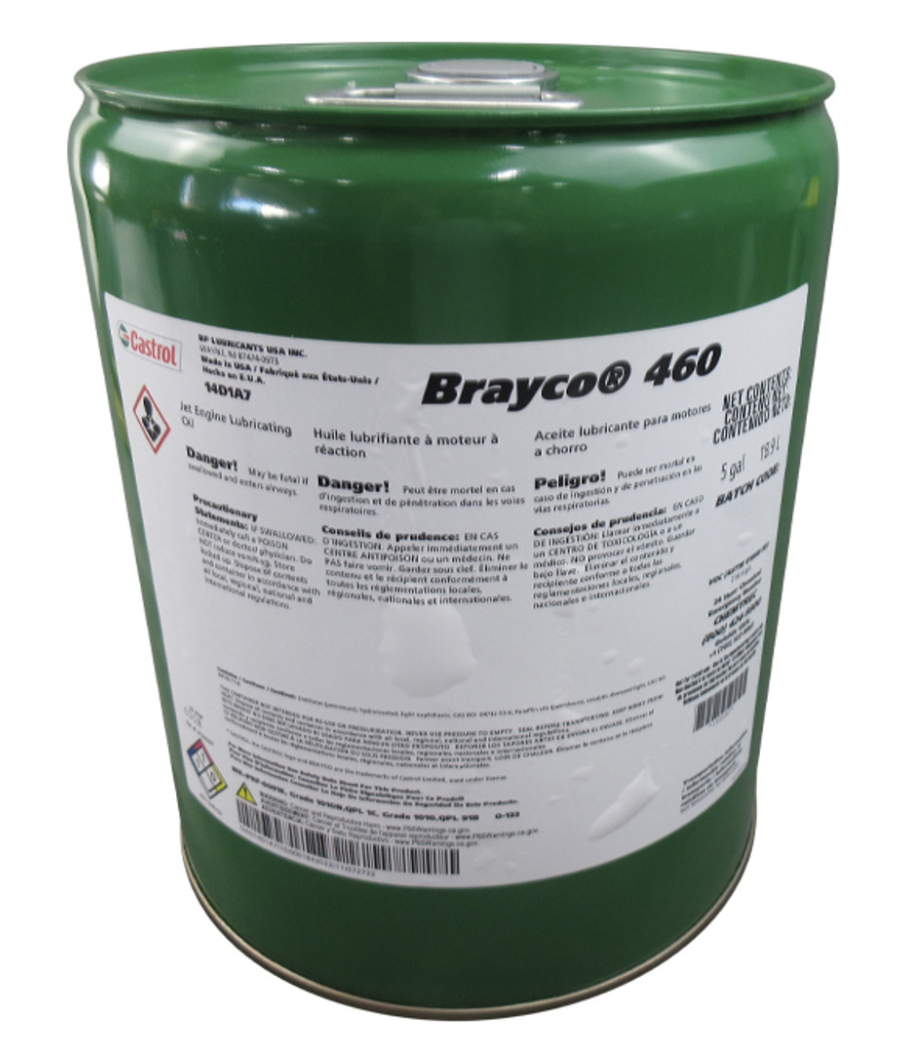
MIL-PRF-2104 and MIL-PRF-2105
MIL-PRF-2104 defines the standards for lubricating oils used in internal combustion engines, while MIL-PRF-2105 addresses multi-purpose gear lubricants. These specifications outline critical properties such as viscosity, oxidation stability, and thermal breakdown resistance. They are commonly used in military ground vehicles and heavy machinery where consistent performance is essential.
Hydraulic Fluids and Synthetic Oils
Specifications like MIL-PRF-5606 (hydraulic fluid for aviation), MIL-PRF-6081 (aviation turbine engine oil), and MIL-PRF-23699 (synthetic turbine engine oil) are vital in the aerospace sector. These standards ensure low-temperature fluidity, thermal stability, and anti-wear protection—key qualities for systems that demand precision and endurance in high-performance aviation lubrication.
Type I, II, III, IV Performance Standards
MIL-SPEC oils are also categorized by performance types:
- Type I: Basic protection under normal conditions.
- Type II: Improved oxidation and corrosion resistance.
- Type III: Enhanced thermal stability and load-bearing capacity.
- Type IV: Maximum protection in extreme environments, including high altitude and low-temperature conditions. These designations help maintenance teams and engineers select the right product for their specific operational needs.
Application Areas and Practical Uses

Aircraft and Missile Lubrication
Aviation demands the highest standards of lubrication, making MIL-SPEC oils like MIL-PRF-23699 and MIL-PRF-87257 indispensable. These products are used in turbine engines, actuators, and auxiliary systems, ensuring optimal performance and longevity. They also play a crucial role in aircraft sealant applications, contributing to both fluid retention and component integrity.
Use in Automotive and Artillery
MIL-PRF-10924 grease, a general-purpose grease, is widely used in military vehicles and artillery systems. It supports high-load applications and offers excellent resistance to water washout, oxidation, and rust. In these demanding environments, proper lubrication is essential for both performance and safety.
Gaskets, Plug Valves, and Maintenance
In maintenance routines, MIL-SPEC oils contribute significantly to the health of gaskets, plug valves, and other sealing components. By preventing wear and leakage, they support the consistent operation of pressurized systems. These lubricants are often referenced in airplane lubrication guides for their reliability.
Emerging Trends and Considerations
Environmental Impact and Compliance
Modern formulations of MIL-SPEC oils increasingly aim for environmental compliance. This includes reduced volatile organic compounds (VOCs), biodegradability, and resistance to chemical degradation. By minimizing environmental harm, these products align with evolving defense and aerospace sustainability initiatives.
Technological Advances and Innovations
Advancements in synthetic oil formulations have led to improved performance across broader temperature ranges, enhanced oxidative stability, and longer service intervals. These innovations reduce maintenance frequency and extend equipment life—benefits that are crucial in both military and commercial aviation contexts.
Staying Mission-Ready with the Right Lubricants
Understanding MIL-SPEC oil ratings is essential for anyone involved in military and aerospace operations. These standards ensure that critical components perform reliably under the most demanding conditions. From aircraft sealants to general-purpose greases and specialized aviation fluids, MIL-SPEC-rated products help maintain operational readiness, safety, and compliance across the board. As technology evolves, so too do the formulations and applications of these vital lubricants—making them more effective, efficient, and environmentally responsible than ever before.