
Military Standard Specifications Overview
Nov 20th 2025
Military standard specifications, often called MIL-STDs or MIL-SPECs, define the engineering, manufacturing, and testing requirements that ensure uniformity and reliability across military equipment and systems. These standards were developed by the U.S. Department of Defense to help guarantee that every part, material, and assembly used in defense applications performs consistently under demanding conditions.
Military standard specifications have become the foundation for quality and compatibility in industries such as aerospace, electronics, and communications. Originally created to streamline production across multiple military branches, they guide how components are designed, tested, and maintained, even in extreme environments.
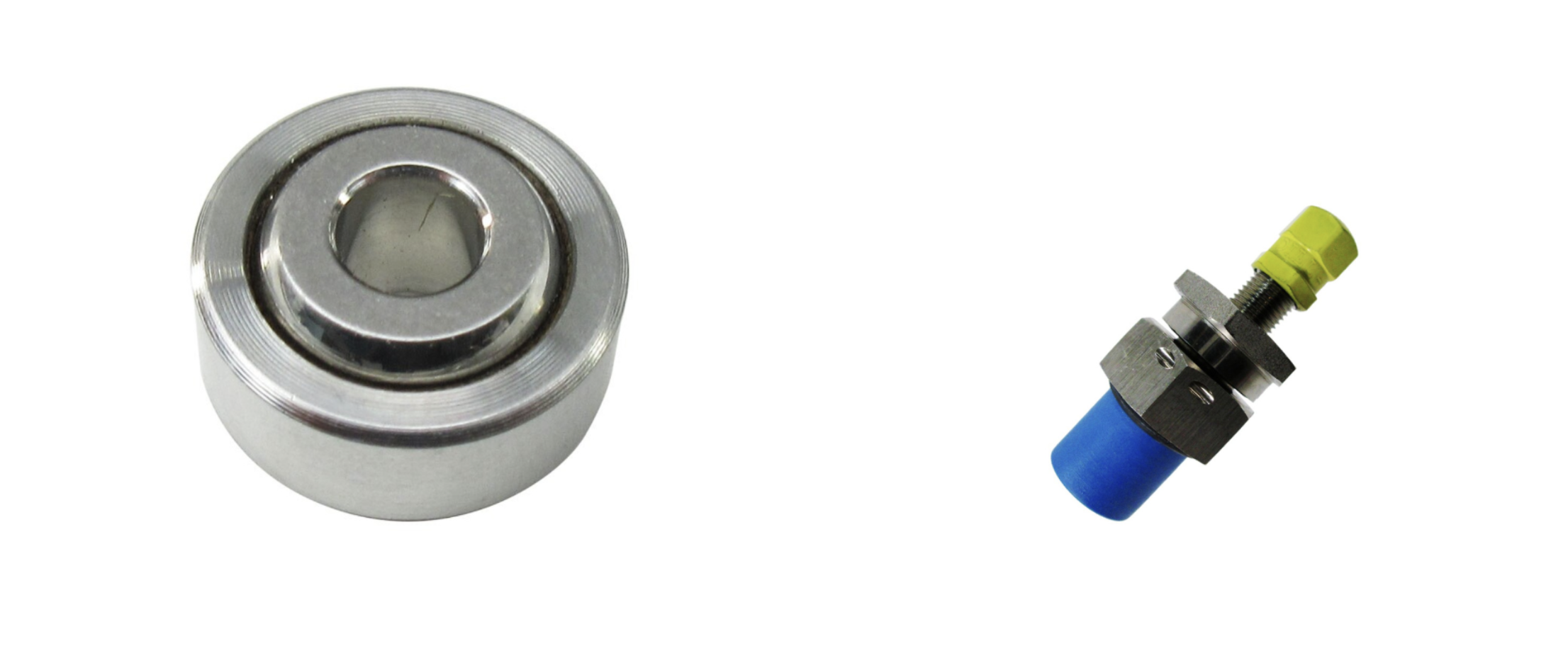
SkyGeek’s selection of Military Standard components, like the MS14104-3 self-aligning bearing and MS28889-2 pneumatic valve, demonstrates how these standards carry over from defense manufacturing into aviation maintenance and repair operations.
The Role and Importance of Military Standards
Military standards serve a single, yet very pertinent purpose: keeping equipment consistent, reliable, and safe. They create a shared language for engineers, manufacturers, and maintenance teams across every branch of the U.S. military. The result is fewer compatibility issues and faster repairs when equipment is deployed in the field.
Overview of Military Standards
Military standard specifications come from the U.S. Department of Defense to unify how equipment is designed, built, and tested. Each document covers specifics such as materials, dimensions, and inspection methods so that parts made by different suppliers work together without modification. That uniformity reduces downtime and ensures parts can be replaced quickly under mission pressure.
Compliance and Its Importance
When contractors follow military standard specifications, they help create a supply chain that runs predictably and securely. Certified manufacturers document every step of production, making each part traceable back to its raw material. This transparency prevents counterfeits, lowers maintenance costs, and protects long-term system performance.
Adoption Beyond U.S. Borders
Defense partners around the world use these same standards to make collaboration easier. Shared testing and inspection methods mean that components built in one country can function seamlessly in another. The global use of MIL-STDs speaks to their credibility and their influence on aerospace, defense, and manufacturing industries.
Types of Military Standard Specifications
Military standards specifications cover several categories, each focusing on how something is built, how it performs, or how it holds up under stress. These categories guide engineers in choosing the right design and testing methods for each application, keeping equipment consistent across different programs and suppliers.
Military Performance Specification (MIL-PRF)
MIL-PRF standards describe what a product must do rather than how it should be made. That freedom lets manufacturers use new materials or production methods as long as the finished product meets the same performance goals. A performance spec might set limits for vibration tolerance, electrical conductivity, or operating temperature. The goal is consistent performance, even when equipment is exposed to heat, moisture, or mechanical strain.
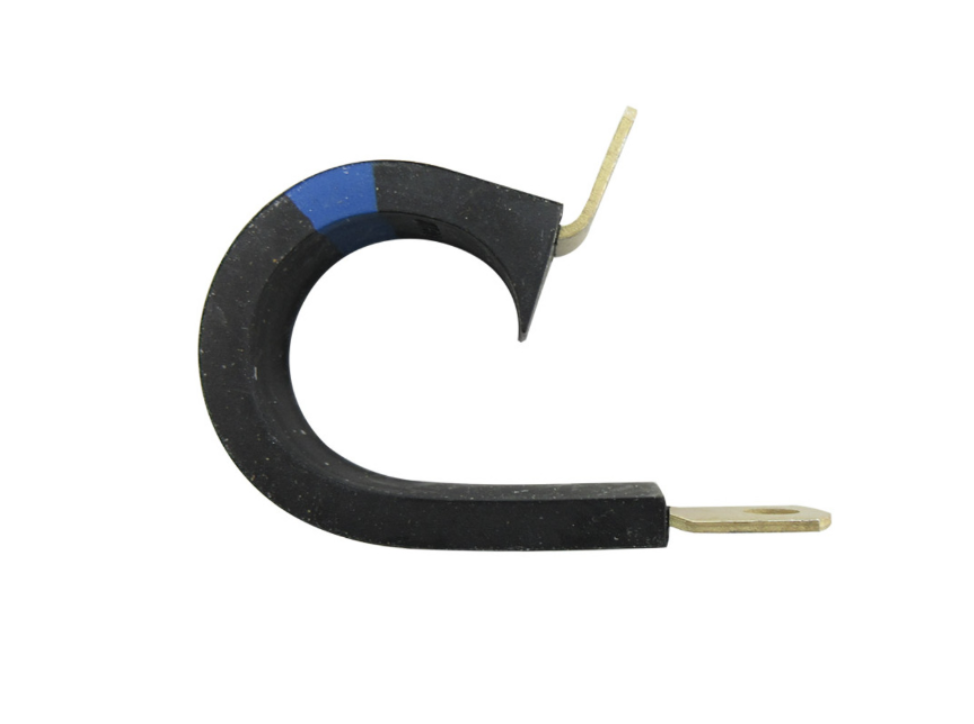
Other MIL-SPEC materials extend beyond fabrics to precision hardware. The MS28775-020 O-ring and the MS21919WDG14 cushioned clamp both undergo material testing for temperature stability and corrosion resistance, supporting secure installations in fuel systems and aircraft assemblies.
Material Specifications and Examples
Material requirements fall under MIL-SPEC standards that keep strength and corrosion resistance uniform across all approved components. Kevlar and 1000D Cordura nylon are two examples used in protective gear and field equipment. Both go through rigorous testing for tear strength, abrasion, and environmental exposure. Using materials that meet these requirements helps maintain reliability throughout production and service life.
Environmental and Safety Standards
Environmental and safety standards better guarantee that equipment can perform under the physical stress and environmental extremes of operational use. MIL-STD-810 is among the most recognized examples, detailing testing procedures for temperature fluctuation, humidity, sand, dust, vibration, and shock. These evaluations replicate real-world conditions to confirm that equipment remains operational even under the most severe environmental pressures. Meeting environmental and safety standards helps maintain mission continuity in every setting, from aircraft systems to field operations.
Access and Verification of Military Specifications
Accessing verified military standard specifications is an important part of maintaining compliance in manufacturing and procurement. Accurate, up-to-date documentation ensures that all materials, parts, and assemblies meet the requirements established by the Department of Defense. Engineers, contractors, and suppliers rely on official databases and agencies to confirm that every standard referenced in their work reflects the most current version in use.
The ASSIST Database
The ASSIST (Acquisition Streamlining and Standardization Information System) database is the primary online source for current and historical U.S. military standards specifications. Managed by the Department of Defense, it houses thousands of MIL-SPEC and MIL-STD documents, each available for public access and download.
Users can search by document number or keyword to find the latest revisions, along with any amendments or cancellations. Relying on ASSIST helps organizations verify compliance and avoid outdated specifications during product development or inspection.
Role of the Defense Logistics Agency
The Defense Logistics Agency (DLA) supports access to military specifications through its technical data services and cataloging systems. Through its cataloging systems and technical data services, it provides verified documentation that manufacturers and contractors rely on to confirm compliance. The DLA also tracks materials and procurement data to make sure every part, from a fastener to a structural bolt, meets official Department of Defense requirements. This traceability supports consistent quality and keeps defense and aerospace production aligned with approved specifications.
Maintaining Reliability Through Standardization
Military standard specifications form the foundation of consistency and reliability across defense and aerospace systems. They establish shared benchmarks for design, manufacturing, and testing, helping ensure that every component performs as intended in critical operations. Adhering to these standards supports not only military readiness but also the quality and safety of civilian technologies that rely on the same precision.
Staying current with the latest specification revisions through verified sources like the ASSIST database and the Defense Logistics Agency helps engineers and manufacturers maintain compliance, streamline production, and prevent costly rework. Continued commitment to these standards strengthens both defense capability and industrial performance worldwide.
FAQs
What is a military specification and how is it used in aviation?
A military specification is a document issued by the U.S. Department of Defense that defines performance, material, or manufacturing requirements for products used in military and aviation applications. MIL-SPECs ensure consistent quality and reliability. In aviation, they are referenced in aircraft maintenance manuals, repair specifications, and procurement requirements.
Browse MIL-SPEC products at SkyGeek
What are the most common MIL-SPEC designations used in aviation maintenance?
Common aviation MIL-SPEC designations include MIL-PRF (performance specification) and MIL-DTL (detail specification). Key examples include MIL-PRF-81733 for aerospace sealants, MIL-DTL-83519 for safety wire, MIL-PRF-23377 for epoxy primer, and MIL-PRF-23699 for turbine engine oil.
View MIL-SPEC products at SkyGeek
Are MIL-SPEC products required for FAA-certificated maintenance?
Many MIL-SPEC products are specifically called out in aircraft maintenance manuals, airworthiness directives, and repair specifications as required or acceptable materials. When a MIL-SPEC is called out in the AMM or SRM, the product used must meet that specification. Commercially equivalent products may be acceptable substitutes in some cases, subject to engineering approval.
What is the difference between MIL-SPEC and AMS specifications?
MIL-SPEC documents are issued by the Department of Defense. AMS (Aerospace Material Specifications) are issued by SAE International for use across military and commercial aerospace. AMS specifications are often used by civil aircraft manufacturers and OEMs. Both carry similar weight in aviation procurement and some products are specified under both standards simultaneously.
How do I verify a product meets its stated MIL-SPEC?
Products should be sourced with a Certificate of Conformance confirming the product meets the specified standard. For safety-critical materials, verify inclusion on the manufacturer's Qualified Products List. The QPL for each active MIL-SPEC lists manufacturers with currently approved products.
Contact SkyGeek for MIL-SPEC sourcing support
Where can I source MIL-SPEC aviation materials reliably?
MIL-SPEC aviation materials should be sourced from aerospace supply companies with verifiable quality systems. SkyGeek has provided MIL-SPEC materials to military, government, and commercial aviation customers for over 40 years, carrying safety wire, sealants, primers, O-rings, hardware, and consumables that meet applicable defense specifications.
Shop MIL-SPEC materials at SkyGeek
Follow Skygeek