
The Comprehensive Guide to Aircraft Sealants
Jun 30th 2025
Aircraft sealants are essential in modern aviation, playing a crucial role in ensuring aircraft safety, structural integrity, and long-term performance. From pressurized cabins to fuel tanks and windshields, these sealants protect critical components from corrosion, vibration, and extreme temperatures. Their use is governed by stringent aerospace regulations, and selecting the right product means the difference between operational safety and system failure. In this guide, we’ll explore aircraft sealants in depth—from types and applications to performance characteristics and PMA vs OEM options.
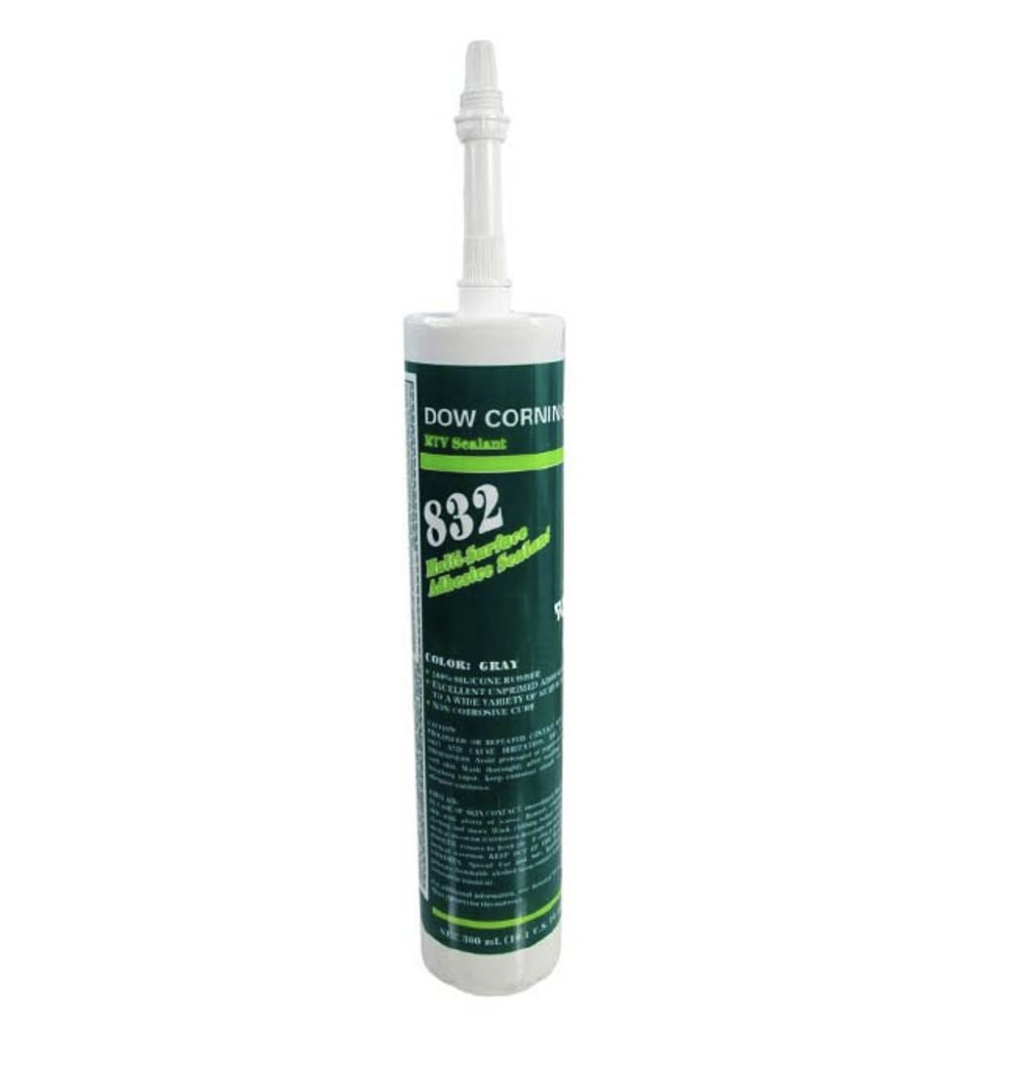
Understanding Aircraft Sealants
What are Aircraft Sealants?
Aircraft sealants are specialized compounds used to fill gaps, joints, and seams in aircraft structures. They are designed to withstand pressure fluctuations, chemical exposure, and wide temperature ranges. These materials prevent fuel leaks, protect against corrosion, and dampen vibration, ensuring overall structural integrity.
Types and Applications
Sealants are used throughout the aircraft, including windshield sealants, fuselage joints, fuel tanks, access doors, and electrical components. Each application requires a different formulation—for example, firewall sealants must withstand extreme heat, while fuel tank sealants require chemical resistance and flexibility.
Compliance and Standards
To meet safety regulations, aircraft sealants must comply with FAA requirements and standards like FAR 25.853 for flammability. Reputable products are manufactured in accordance with MIL-SPEC standards and tested for specific aviation use cases.
Types of Aircraft Sealants and their Applications
Class A, B, C Sealants
- Class A: Self-leveling, pourable sealants for fuel tanks and large cavities.
- Class B: Thixotropic sealants applied with extrusion guns—ideal for fuselage seams.
- Class C: Non-flowing, pre-formed seals for edge fillets and detail work.
Choosing the correct class ensures appropriate bond strength and curing behavior in each scenario.
Specialty Sealants: Windshield and Firewall
Windshield sealants offer UV and thermal resistance, while firewall sealants like those rated for MIL-PRF-8115 provide high-temperature stability. These specialty products are critical for both visibility and safety in the cockpit.
Brushables and Extrusion Gun Sealants
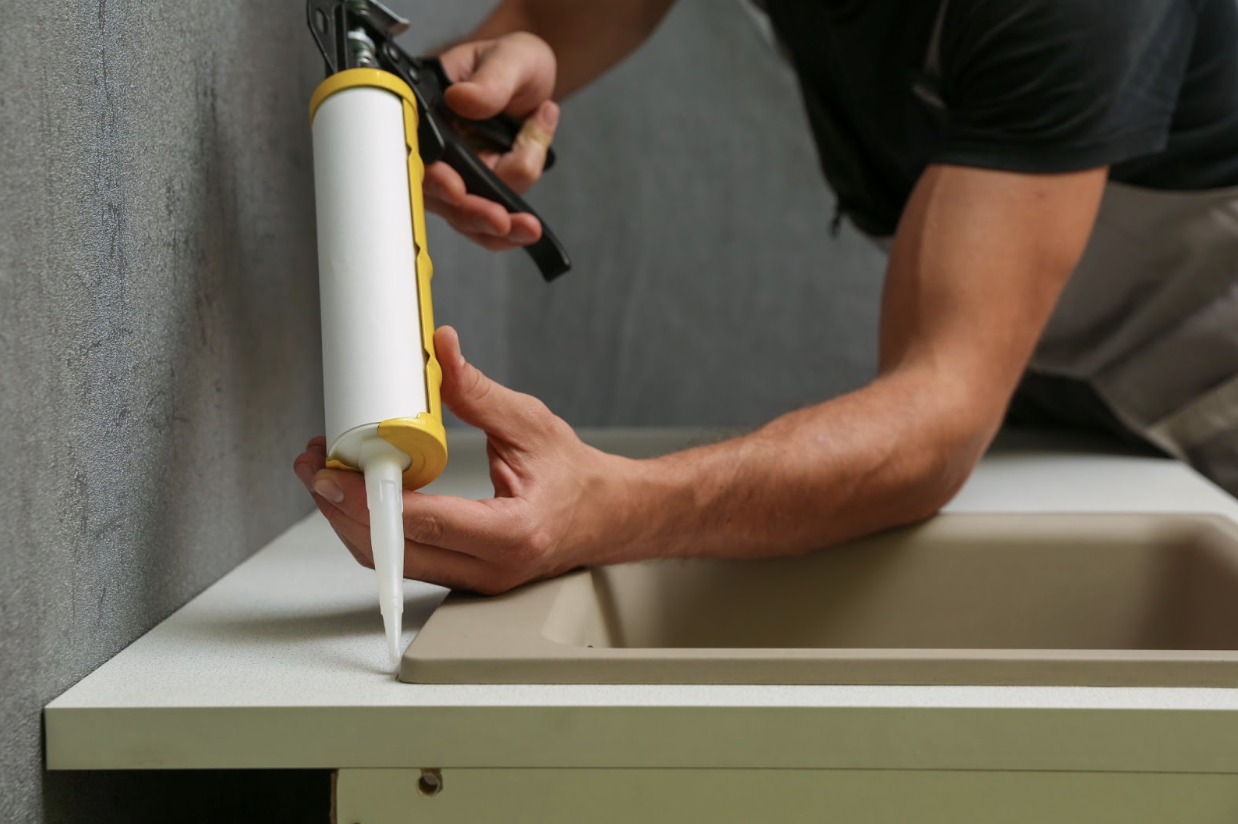
Brushable sealants are ideal for surface-level protection, while extrusion-grade sealants are used for filling complex joints and seams. Sealant tools like sealant guns help apply these products with precision during maintenance and assembly.
Performance Characteristics and Benefits
Mitigating Vibrations and Oxidation
Sealants reduce vibration damage and seal surfaces against oxygen and moisture. This helps prevent oxidation, reducing the chance of corrosion in critical aircraft systems.
Thermal and Chemical Resistance
Aircraft operate in extreme environments, so sealants must resist high and low temperatures, as well as exposure to fuel, hydraulic fluids, and de-icing chemicals. Many SkyGeek sealants meet or exceed these durability requirements.
Longevity and Maintenance
High-quality sealants reduce the frequency of repairs and extend the service life of aircraft. Selecting long-lasting products, such as those found in the fuel tank sealants category, supports safer, more cost-effective operations.
Best Practices for Application and Inspection
Proper Application Steps
To apply sealants effectively:
- Clean and degrease the surface
- Remove old sealant if present
- Apply the new product evenly using a brush or sealant gun
- Allow it to cure as directed by the manufacturer
Maintenance and Inspection Tips
Inspect sealants regularly for cracking, shrinkage, or loss of adhesion. Always choose products compatible with your aircraft materials and systems. SkyGeek carries PMA-approved and OEM-equivalent sealants for every budget.
Avoiding Common Failures
Common issues include poor surface prep, expired materials, and incorrect sealant selection. Avoid these problems by following detailed product guides and using trusted sources like SkyGeek.
Parts Manufacturer Approval (PMA) and OEM Sealants
Understanding PMA Sealants
PMA sealants are FAA-approved alternatives to OEM products. They're manufactured under strict guidelines and offer cost savings without sacrificing performance. Many aircraft operators use PMA sealants for routine maintenance to stay within budget.
Comparing PMA and OEM Sealants
While OEM sealants are supplied by original aircraft manufacturers, PMA products meet the same certification criteria and often provide faster lead times. At SkyGeek, both OEM and PMA sealants are available depending on your application and preferences.
The Crucial Role of Aircraft Sealants
Aircraft sealants are indispensable for maintaining the safety and performance of any aircraft—from commercial jets to military-grade fighters. Their correct application protects structures from fuel leaks, weather damage, vibration, and fire. Whether you're looking for fuel tank sealants, windshield protection, or PMA alternatives, SkyGeek offers a comprehensive range of aviation sealants trusted by technicians around the world.