
Navigating the Critical World of MIL-Spec O-Rings: Your SkyGeek Guide
Nov 10th 2025
When failure is simply not an option, you don't reach for a commercial seal—you reach for a MIL-Spec O-ring. Here at SkyGeek, we know that in the world of aviation and defense, these tiny seals are often the most critical components in your mission-ready systems. They're not just rubber circles; they're precision-engineered lifelines that guarantee performance under the most extreme conditions.
This guide is your deep dive into the complex landscape of MIL-Spec O-rings. We're breaking down the essential standards, materials, applications, and compliance issues, so you can make informed decisions that keep your aircraft flying and your systems operational.
Understanding MIL-Spec O-Ring Standards: The Foundation of Reliability
The "MIL-Spec" designation isn't a brand; it's a guarantee of performance backed by the U.S. Department of Defense. This assurance is built on a framework of detailed specifications and rigorous quality management systems.
Military and Aerospace Quality Certifications
A compliant O-ring requires a compliant manufacturer. Look for suppliers who hold these key certifications:
- AS9100: This is the gold standard for the aerospace and defense industry. It incorporates ISO 9001 but adds stringent requirements for configuration management, traceability, and risk mitigation specific to aviation components. If a manufacturer is AS9100 certified, their quality control is top-tier.
- TS 16949 (now IATF 16949): While primarily automotive, its principles for defect prevention and supply chain management are often adopted, showing a manufacturer’s commitment to robust Quality Management Systems (QMS).
Popular MIL-Specifications You Need to Know
When ordering, you'll encounter specific prefixes that define the O-ring’s dimensions and material:
- MS (Military Standard): These are the most common current standards, dictating exact size, tolerance, and performance. For example, MS29513 covers standard dimensions, while MS28775 specifies fluorocarbon (Viton) material and performance for specific applications.
- AN (Air Force-Navy): Older, foundational dimensional specifications. Though often superseded by MS, their size callouts (e.g., AN6227) are still widely used in legacy system documentation.
- NAS (National Aerospace Standard): Developed by the Aerospace Industries Association, these standards often complement MS, particularly for high-performance materials in aircraft and spacecraft.
NSN: The Non-Negotiable 13-Digit Code
The National Stock Number (NSN) is essential. This 13-digit code uniquely identifies an item of supply approved for use across military logistics systems.
Procuring by NSN is the highest assurance you can get. It confirms the O-ring meets the specified dimensions, material compound, and performance tests defined by the military standard. It takes the guesswork out of sourcing and guarantees compatibility and compliance.
MIL-Spec O-Ring Materials: Built for the Extremes
The material science behind a MIL-Spec O-ring is what determines its survival in a demanding environment. Choosing the right compound is about chemistry, not guesswork.
Expanded Material Types for Aviation
Aerospace demands materials that can handle fuels, high heat, and hydraulic pressure simultaneously:
- Fluorocarbon (FKM / Viton): The workhorse for high-heat applications, providing excellent resistance to synthetic lubricants like MIL-L-23699 and jet fuels. Often required under MS28775 specifications.
- Fluorosilicone (FVMQ): Unique for its incredible performance across extreme temperature ranges, from searing heat to arctic cold (down to -60°C). It maintains excellent resistance to petroleum-based fuels, making it ideal for external aircraft seals and fuel systems.
- Hydrogenated Nitrile (HNBR): A superior version of standard Nitrile, offering better heat and abrasion resistance for engine accessories and modern transmission systems.
- Perfluoroelastomer (FFKM): The ultimate sealing solution. With near-universal chemical resistance and temperature tolerance up to 316°C (600°F), FFKM is reserved for mission-critical seals in gas turbine hot sections and complex chemical-handling systems. See our premium FFKM O-Rings.
- EPDM (Ethylene Propylene): Crucial for hydraulic systems using phosphate-ester based fluids (like Skydrol), which attack most other elastomers.
Why Brand-Specific Compounds Matter
Leading manufacturers like Parker Hannifin and Freudenberg invest heavily in proprietary compounds that are officially qualified to meet MIL-Spec requirements. When a specification (like MS28775) calls for an FKM, it’s often referencing a specific, qualified compound that has already passed all the rigorous performance and endurance tests, offering reliability beyond the generic material type.
Top-Performing MIL-Spec O-Rings: SkyGeek's Best Sellers
Based on thousands of orders from aviation maintenance professionals and military procurement officers, these five O-rings represent the most trusted sealing solutions in demanding aerospace applications. Each has been selected for its proven performance, availability, and compliance with critical military standards.
1. MIL-STD-MS28778-4 O-Ring
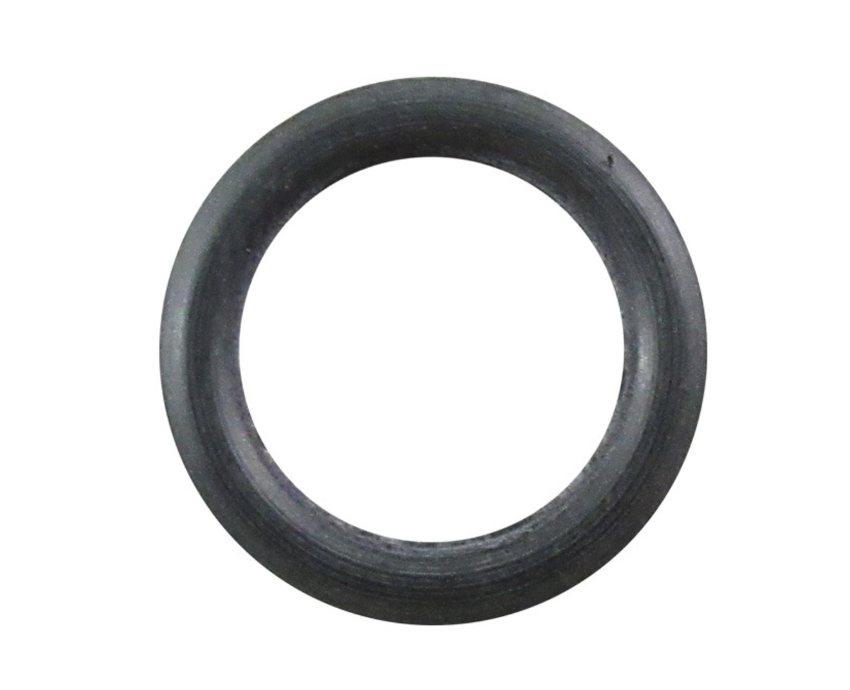
A standard-size fluorocarbon O-ring built to MS28778 specifications, this seal is engineered for high-temperature hydraulic systems and fuel applications. Its precise dimensional tolerances and material consistency make it ideal for landing gear assemblies and flight control actuators where reliability is non-negotiable.
2. SAE AS3209-009 O-Ring Fluorocarbon 75
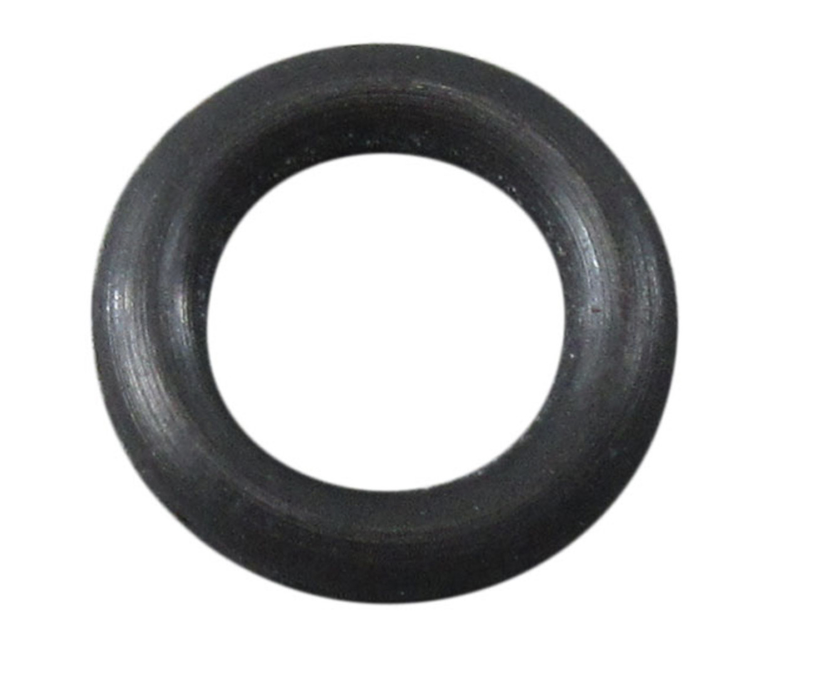
Meeting SAE Aerospace Standard AS3209, this fluorocarbon seal with 75 durometer hardness provides exceptional resistance to synthetic lubricants and jet fuels. Widely specified in commercial and military aviation maintenance manuals, the AS3209-009 is a go-to solution for engine accessories and fuel system components.
3. Cleveland Wheel & Brake 101-05200 O-Ring (MS28775-224)
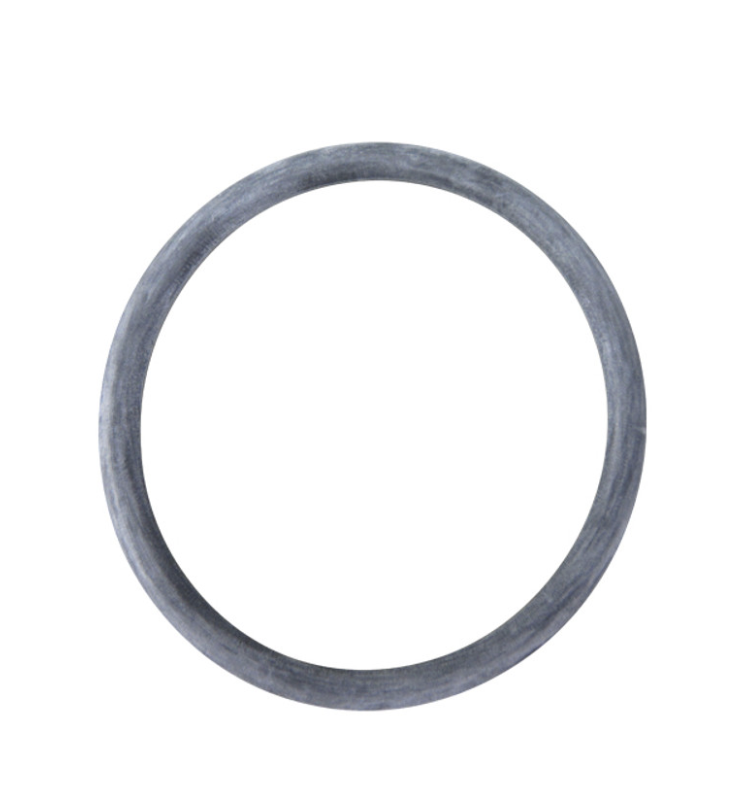
Cleveland Wheel & Brake is synonymous with aircraft landing systems, and this O-ring is precision-manufactured to their exacting specifications. Designed specifically for brake assemblies and wheel components, the 101-05200 delivers consistent sealing performance under the extreme pressures and temperatures experienced during landing operations.
4. Military Standard M83248/1-906 O-Ring Fluorocarbon 75
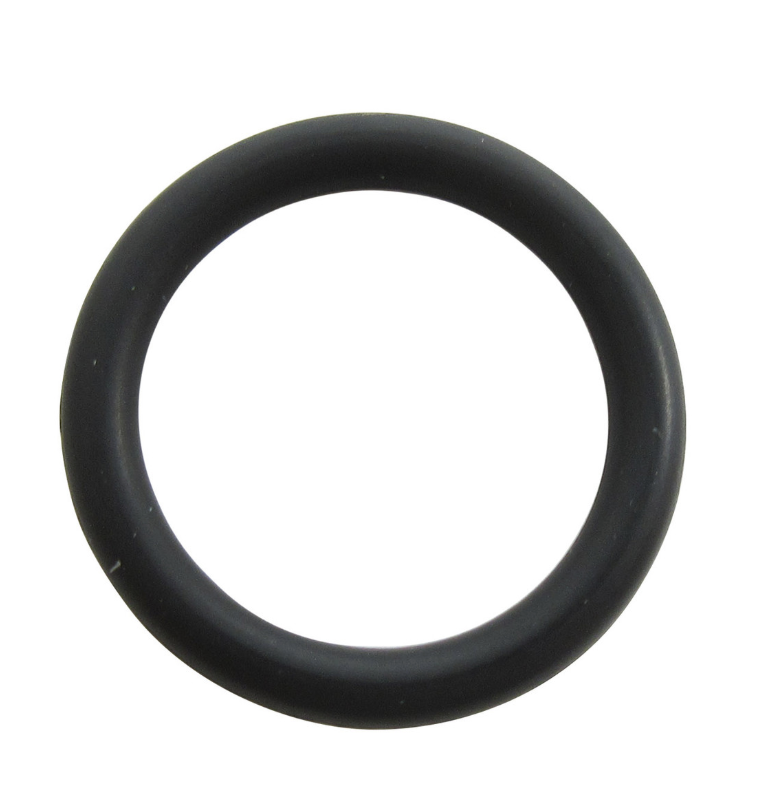
Part of the comprehensive M83248 specification series, this fluorocarbon seal is fully qualified for Department of Defense applications. The -906 dash number indicates a specific cross-sectional diameter and inside diameter combination that's commonly specified in military aircraft hydraulic and pneumatic systems. Its 75 durometer rating provides the optimal balance of sealing force and flexibility.
5. SAE Aerospace Standard AS3209-011 O-Ring
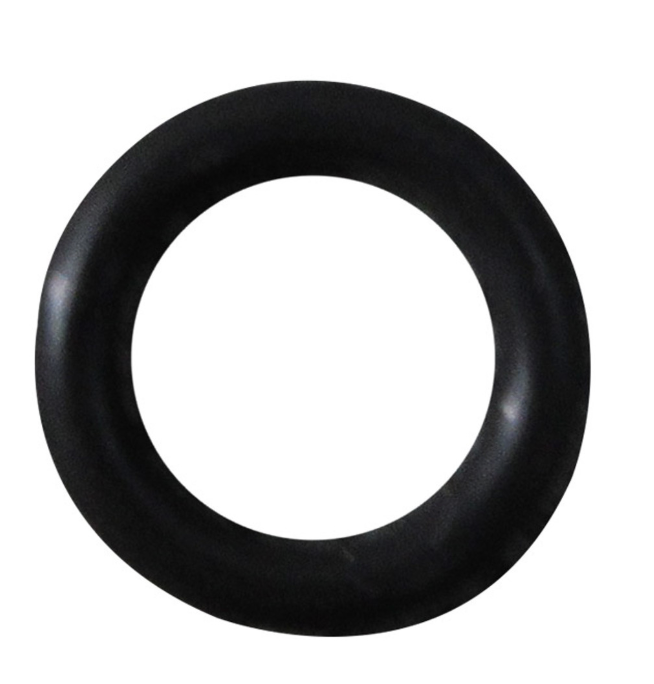
Slightly larger than the AS3209-009, this -011 dash number seal maintains the same high-performance fluorocarbon compound and 75 durometer specification. It's frequently called out in powerplant installations and auxiliary power unit (APU) systems where dimensional precision and chemical resistance are equally critical.
Browse our complete selection: For additional sizes and specifications across all military standards, explore our comprehensive O-Rings catalog.
Applications and Performance: Where MIL-Spec Seals Excel
A MIL-Spec O-ring is selected not just for its material, but for its proven ability to function within a specific system's operational envelope.
Critical Applications
- Gas Turbine Engines: Requires FFKM or high-grade FKM for continuous exposure to high temperatures and aggressive synthetic oils.
- Hydraulic Systems (Landing Gear & Flight Controls): Must withstand high pressures and continuous cycling. Materials are specifically qualified for fluids like MIL-H-5606 (mineral-based) or modern synthetic hydrocarbon fluids.
- Fuel Systems: Seals here (often FVMQ or Nitrile) must resist degradation and swelling from aviation fuels (JP-4, JP-8) to prevent catastrophic leaks.
- Avionics: Requires specialized conductive elastomers for EMI/RFI shielding, protecting sensitive electronics from electromagnetic interference while sealing against the environment.
Key Performance Metrics
The certification process verifies performance metrics that are non-negotiable:
- Temperature Range: The ability to maintain elasticity and sealing force from deep cold to extreme heat.
- Chemical Resistance: Certification requires testing against actual military media (e.g., immersion in MIL-H-5606 fluid for specified time and temperature) to verify stability.
- Compression Set: The seal’s ability to rebound after being compressed. A low compression set is vital for long-term sealing integrity.
Proper Installation and Maintenance: Protecting Your Investment
Even the highest-quality MIL-Spec O-ring will fail prematurely if improperly installed or maintained. Following established procedures and using approved lubricants is essential for maximizing seal life and system reliability.
The Critical Role of O-Ring Lubricants and Greases
Proper lubrication serves multiple purposes: it protects the O-ring from installation damage, reduces friction during dynamic sealing applications, and can improve chemical compatibility with system fluids. However, not all lubricants are created equal, and using the wrong product can cause seal swelling, degradation, or contamination of hydraulic and fuel systems.
For General O-Ring Installation and Static Applications:
Parker Super-Lube O-Ring Lube is the industry standard for a reason. This petroleum-free synthetic lubricant is compatible with virtually all elastomer types and won't contaminate oxygen systems or react with sensitive fluids. Its translucent formulation makes inspection easier, and it remains stable across a wide temperature range. Use Super-Lube during installation of fluorocarbon O-rings to prevent nicks, cuts, and rolling during assembly.
For High-Temperature and Heavy-Duty Applications:
Molykote 55 M/ED Grease O-Ring (150gm) and the larger 8lb container offer superior performance where extreme pressures and temperatures are encountered. This synthetic grease incorporates molybdenum disulfide (MoS2) for enhanced wear protection and is specifically formulated for elastomer compatibility. Molykote 55 excels in landing gear assemblies, high-pressure hydraulic systems, and valve applications where both sealing and load-bearing functions are required. The 150gm tube is perfect for maintenance facilities and line operations, while the 8lb container provides economy for high-volume shops and OEM installations.
For Assembly Fluid Requirements:
Anderol 825 (Royco HF-825) Acryloid Synthetic Assembly Fluid meets the stringent requirements of military specifications for hydraulic system assembly. Unlike general-purpose lubricants, this synthetic fluid is designed to be compatible with and soluble in hydraulic fluids like MIL-PRF-83282 and MIL-PRF-87257. It prevents installation damage while ensuring no contamination or incompatibility issues arise during system fill and operation. Anderol 825 is particularly critical when installing O-rings in flight control actuators, landing gear shock struts, and brake assemblies where hydraulic fluid purity is paramount.
Installation Best Practices
Beyond proper lubrication, successful O-ring installation requires attention to detail and adherence to aerospace maintenance practices:
- Inspect groove and mating surfaces for burrs, scratches, or contamination that could damage the seal
- Verify size and material against the parts manual and ensure traceability documentation is complete
- Apply lubricant uniformly to both the O-ring and the installation surface
- Use proper installation tools to avoid stretching or twisting the seal during installation
- Perform post-installation inspection to confirm proper seating and absence of visible damage
- Document the installation including part number, lot number, and date for traceability and compliance
Compliance and Regulatory Considerations
Your O-ring procurement must align with global safety and environmental guidelines. Compliance isn't optional; it's a requirement for entry into the defense supply chain.
Essential Compliance Standards
- RoHS (Restriction of Hazardous Substances): Increasingly required, ensuring the O-ring compounds do not contain restricted heavy metals.
- REACH (Registration, Evaluation, Authorisation and Restriction of Chemicals): Requires suppliers to track and disclose the use of chemical substances, particularly those of very high concern (SVHCs), within the EU and globally.
- CA Prop 65: Compliance with this California regulation may require disclosure if specific chemicals are present, even in trace amounts.
Safety and Shelf-Life
Safety mandates strict management of seal aging. MIL-Spec compliance includes adherence to protocols like ARP5316, which defines the maximum usable life and required storage conditions. Never install an out-of-date O-ring, regardless of condition; traceability and valid shelf life are paramount safety concerns.
Value-Added Services: Your Engineering Edge
At SkyGeek, we don't just sell seals; we provide the support to ensure you use them correctly. Look for suppliers who offer services that enhance quality and streamline procurement.
- Supplier Audits & CoC: We provide certified documentation, including a Certificate of Conformance (CoC), validating that your part meets the MIL-Spec.
- Technical Resources: Access to Cross-Reference Guides that translate old AN numbers to current MS/NSN equivalents, and tools to help you confirm fluid compatibility and dimensional requirements.
- Vendor-Managed Inventory (VMI): For high-volume customers, VMI services ensure a continuous, compliant supply of your most-used MIL-Spec O-rings, reducing your lead times and inventory headaches.
The SkyGeek Advantage
Selecting a MIL-Spec O-ring is a mission-critical choice. It requires deep knowledge of standards, materials, and compliance. By understanding the specifications, demanding certified materials, and leveraging essential engineering resources, you ensure that every seal you install is a guaranteed component of operational reliability.
Ready to find the certified MIL-Spec O-rings for your next project?
Explore our full catalog of Military Specification products, backed by CoCs and NSN traceability today!